
Root Canal Treatment in Jacksonville, FL
 If you have a deep cavity or have suffered dental trauma, it can damage the living tissue inside the tooth called dental pulp. When this part of your tooth becomes infected or diseased, your dentist has two options: treat the tooth with a root canal or remove it completely.
It is much better for your oral health and your smile to do whatever is possible to preserve the tooth. Root canal treatment at our Jacksonville, FL dental office can save the tooth and also quickly relieve any tooth pain you’re experiencing!
What Is Root Canal Treatment?
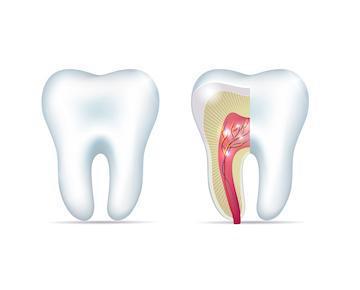
Dental pulp is the material deep inside your tooth that keeps it alive. It contains blood vessels, tissue, and the tooth’s nerve. The reason a root canal infection can be so painful is that it has penetrated through the outer layer of tooth enamel and reached the nerve inside the tooth.
Removing the inflamed pulp along with the tooth’s nerve eliminates the pain and infection, saves your tooth, and improves your overall oral health.
What Are Signs That I Need a Root Canal?
Some common symptoms of an infected or abscessed tooth are:
- Persistent tooth pain that continues to worsen
- Extreme, lingering sensitivity to hot and cold temperatures
- Jaw pain or swelling
- A blister or bump on your gums
- Tooth darkening or discoloration
- A foul odor or taste in your mouth
In some cases, an infected tooth can also be asymptomatic, and you don’t realize your tooth’s in jeopardy. One way to avoid this is to visit us every six months for dental exams and cleanings so we can stay current with your oral health.
What Happens During a Root Canal?
 First, our dentist will examine the tooth to confirm that it is affected. With the help of a 3-D cone beam imaging, she can see the roots and canals of your tooth and diagnose the infection.
Before we begin, we will use a topical anesthetic to numb the tooth so that you don’t feel any pain during the procedure. If you feel you could use some help relaxing, let us know, and Dr. Doan can prescribe a calming medication.
During treatment, Dr. Doan carefully removes the diseased pulp, then cleans and disinfects the area. After removing all of the infection, she places a material called gutta percha inside the cleaned-out area. The final step is to place a temporary filling on the tooth to protect it as it heals. In about two weeks, you will return to our Jacksonville, FL dental office to have a final filling or CEREC dental crown placed on the tooth.
Have a Toothache? We Perform Emergency Root Canals!
Every one of your teeth is precious, and our goal is to do whatever we can to save them for as long as possible. Root canal treatment allows us to relieve your pain and restore your tooth so you can chew comfortably on it again.
If you are in pain and think you need emergency root canal treatment, please call our Jacksonville, FL dental office at (904) 223-8001. We offer same-day emergency dentistry and will see you as soon as possible to relieve your pain and save your tooth.